About VFD Control Panel
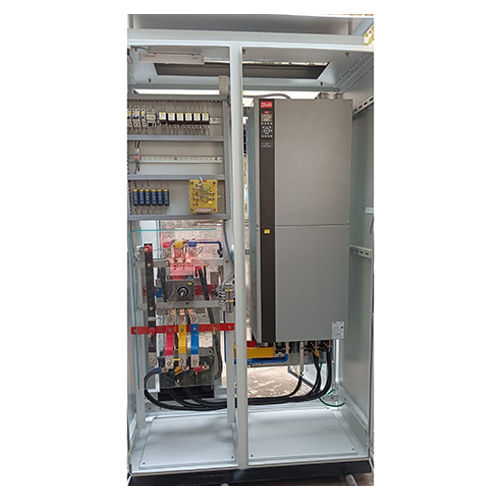
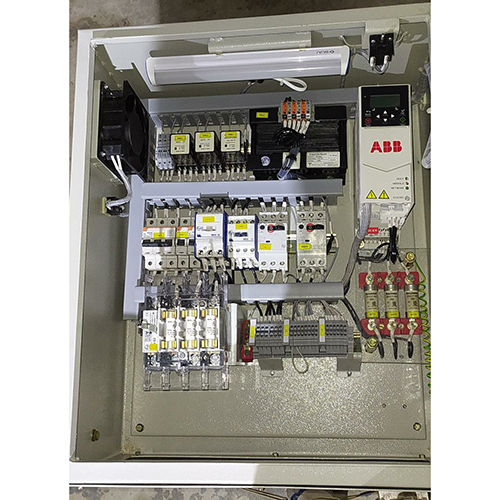
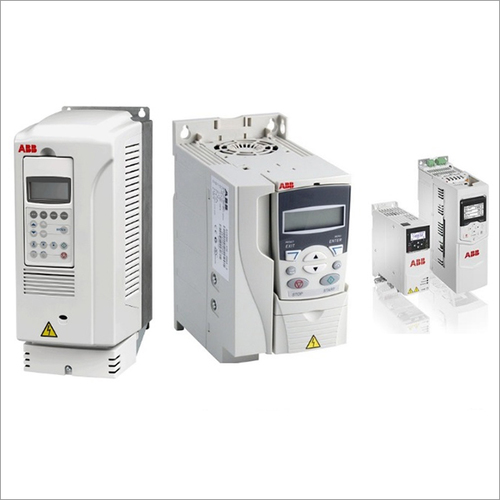
VFD Control Panel is a state-of-the-art electrical control system designed to regulate and control the speed and torque of electric motors. It is essential in various industrial and commercial applications where precise motor control and energy efficiency are paramount. VFD Control Panel incorporates a high-quality VFD, which allows for precise control of the motors speed and acceleration. It ensures smooth and accurate control over a wide range of operating conditions.
Advanced Control Panel EngineeringThis VFD Control Panel integrates a microcontroller-based system, delivering precise motor control through sensor, manual, or PLC methods. Suitable for various industrial automation needs due to its flexible mounting and compact design, it provides reliable operation with intelligent protection mechanisms, including overload and short circuit safeguards. The connectivity and user-friendly LED indicators simplify both setup and ongoing system monitoring.
Reliable Performance and SafetyWith a robust powder-coated mild steel enclosure rated at IP55, this control panel excels in harsh industrial conditions, resisting dust, water, and fire while maintaining performance in high humidity and varying temperatures. Essential features like seismic resistance up to Zone IV and fire retardancy ensure continuous operation and improved safety for critical processes.
Versatile Installation and ConnectivityAvailable in both wall and floor-mounted options with top or bottom cable entry, this panel offers straightforward installation for a variety of industrial settings. The RS485/Modbus communication port and digital/LED indicators facilitate seamless integration with other automation systems, enabling real-time monitoring and centralized control for enhanced operational efficiency.
FAQs of VFD Control Panel:
Q: How is the VFD Control Panel installed and what are the mounting options?
A: The VFD Control Panel can be mounted either on walls or floors, depending on your facilitys layout and space requirements. It offers both top and bottom cable entry, making installation versatile and accommodating in various industrial environments.
Q: What safety features are included in this VFD Control Panel?
A: The panel incorporates overload protection, short circuit protection, and fire retardancy. Its IP55-rated enclosure safeguards against dust and water ingress, while robust components like MCCB and contactors support reliable operation in demanding conditions.
Q: When should I use sensor, manual, or PLC control methods?
A: Sensor control is ideal for automated, feedback-driven processes, manual control allows direct human intervention for monitoring or troubleshooting, and PLC control is best for integration with complex automation systems requiring precise coordination and programmability.
Q: Where is this control panel best suited for installation?
A: This VFD Control Panel is designed for indoor installation in industrial settings, offering protection suitable for hazardous or high-activity environments such as manufacturing plants, automation lines, or facilities within seismic zones up to Zone IV.
Q: What is the process for integrating the control panel with my automation system?
A: Integration is straightforward using the RS485/Modbus communication port for wired connectivity. Simply connect the panel to your existing automation hardware or PLC systems and utilize the LED digital display and indicators for configuration and status checks.
Q: How does the panel perform under varying environmental conditions?
A: The panel operates reliably within a temperature range of -10C to 50C and can withstand humidity levels up to 95% RH (non-condensing). Its robust metal cabinet and IP55 rating protect against dust, water, and harsh operating conditions.
Q: What benefits does this VFD Control Panel provide for industrial automation?
A: It offers precise motor control, improved safety, real-time status indication, flexible installation options, and robust protection. These features collectively enhance productivity, system reliability, and ease of maintenance in automated industrial operations.







 Send Inquiry


 Send Inquiry
 English
 Spanish
 French
 German
 Italian
 Chinese (Simplified)
 Japanese
 Korean
 Arabic
 Portuguese